

Opinions about AI are running hot. Everyone has one. I worry that the public isn’t informed enough to justify the rather direct opinions they have about AI, where they may want it stopped, slowed down or regulated. The public should care, as AI is going to be impactful. But that interest should translate into being well informed.
AI is more than software, but software is very much at the core of AI. And the reality is the public has not been very interested in understanding software development as a profession. A point of evidence for this, and a mechanism leading to being poorly informed, is that software development is one of the least-represented occupations by entertainment television and film.
I made this point in a story a few weeks back, in a longer post about bubble narratives. It was part of a larger narrative, but I heard confusion about why I brought it up. I thought it’d be useful to pull this out, and clarify why I think it’s an important topic.
Since software is at the core of AI, it feels like people should be informed about it. Being informed requires more than being a user. It requires understanding the lives of those developing it. It’s one thing to be disinterested in how your phone or computer works, but happy to use it. It’s another to have only caricatures of software developers to rely upon, know little about the basic processes we use to secure, develop and deliver software, and yet have an opinion on AI development.
Here is what I wrote:
Why the public has a poor understanding of software development
The wider world has never shown broad interest in learning what software developers do. Compared to other professions like police, soldiers, doctors, lawyers, musicians, writers, journalists or even criminals. Without that interest it’s unlikely to learn the inner workings of the profession.
Media portrayals of software developers are rare and rarely accurate. The most common portrayal is the “hacker” who mysteriously takes control of computer systems in a few minutes with no preparation. Not only is that a poor representation of a real hacker, it tells you nothing about software development overall.
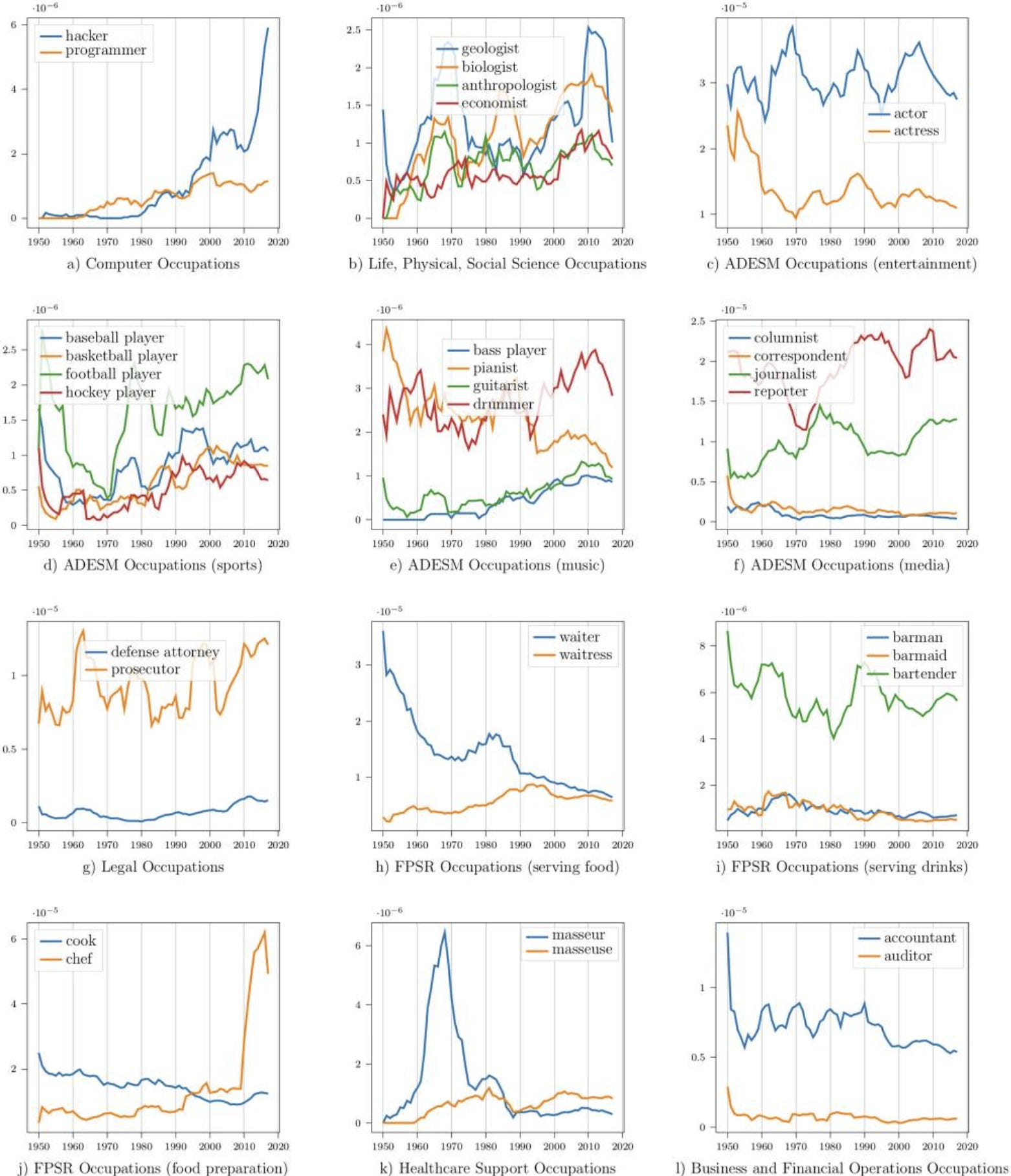
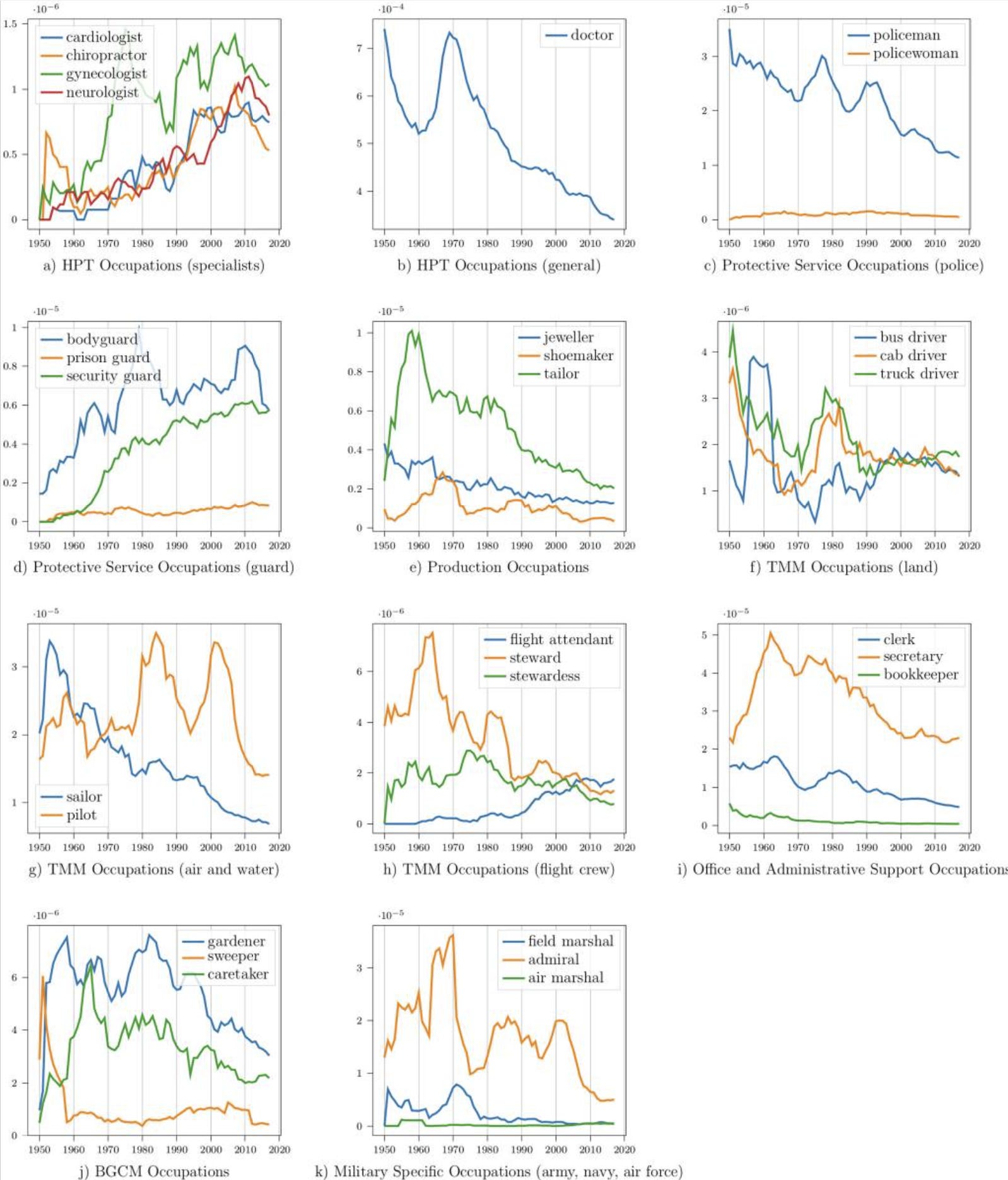
I reworked the data above to make it easier to see the patterns.

Ultimately, my concern here is deeper than portrayals. The facts about portrayals are an example. That example does have real effects, but entertainment media is also reacting to interests that precede entertainment choices.
The real concern is that advocating for laws or regulations that apply to software without an understanding of the process of development, is a recipe for failure. There are many places one might learn about an occupation. Media is just one, but it is a powerful one. Also, my experience as a member of the occupation is that most of my conversations about the occupation were limited to people inside.
There is a personal side to this. I’ve often been troubled by how the world in general treated the work I did as somewhat foreign. I noticed an imbalance in how much time conversations dwelled on my own work. It’s not the only profession like that, but it did register with me personally. I bring up my personal experience, not because my feelings are the point. They might be worth a little thought, but the point is I can see this disconnect so clearly because it is personal. If it’s not personal, it’s an easy gap to miss.
Software isn’t the only underrepresented occupation, but it is high stakes amongst those. It does appear in the news, but is it the facts of software developers that are being represented in the news? That’s not my observation either. The personal opinions of writers, artists and media that are heavily represented instead. Those same groups are over-represented in entertainment media, and have their opinions as the most visible via that route.
I’d suggest this is a moment where it makes sense to lean in a bit. It might not be natural to be interested in how software is developed. It might be more convenient day to day to enjoy the software, and treat the field as opaque. But if we need to make decisions about the field, that gap will become relevant. Everyone should be part of making those decisions, but the process of making those decisions must be well informed too.
So, if you’re a journalist, you should be interviewing software developers more often. If you’re creating a movie or TV show, you should consider writing in a character from software development, and avoid applying inaccurate cliches.
I’m trying to do my part with this writing. I probably can do more to make it more accessible. There is a tendency in software development, like any field, to write for your internal audience. That’s reinforced when outside interest is low.
If you’re a regular reader of this Substack, it’d be redundant to suggest you need to read something from a software developer, but I’ll assume this message may reach those beyond that scope. So encourage others to connect with the how of software development, both here and with other software developers in their lives.
That’s not going to be enough to bridge decades of disengagement, but it is a start. Since the political decisions of AI can’t wait for a repair, I suggest some humility in decision making here. In AI Safety Is Underfunded by Design, I suggest that we need balance that takes advantage of organic efforts of self-regulation. I wouldn’t say that self-regulation is sufficient; even if it’s working so far, this is too important to take that approach. But at the same time, regulating what you don’t understand will fail.
A learning process is necessary, both amongst the wider public, and with the politicians, lawyers, and administrators that would need to be part of any effective regulatory system, alongside industry experts.
Related Posts

Control and AI

Earlier, I wrote about determinism and control. I feel a need to return to these concepts because they are the quiet shift beneath software, and deserve greater attention.
AI brought the creation of software within reach of other professions than software developer. Do you feel like this could influence the portrayal of the art in a positive way?
As an aside, I like the interactive widget, BTW.